You do not have to see a mouse or rat to have evidence of one. Rodents often travel along walls and remain hidden around appliances, attics, crawl spaces and storage areas. The EPA and CDC both identify droppings, gnawing and nesting material as early clues worth investigating.
Below are seven signs homeowners can look for without dismantling walls or entering unsafe spaces. Each clue has limitations: old evidence does not necessarily mean the infestation is active, and some noises or odors have other causes. The objective is to identify a pattern and respond safely.
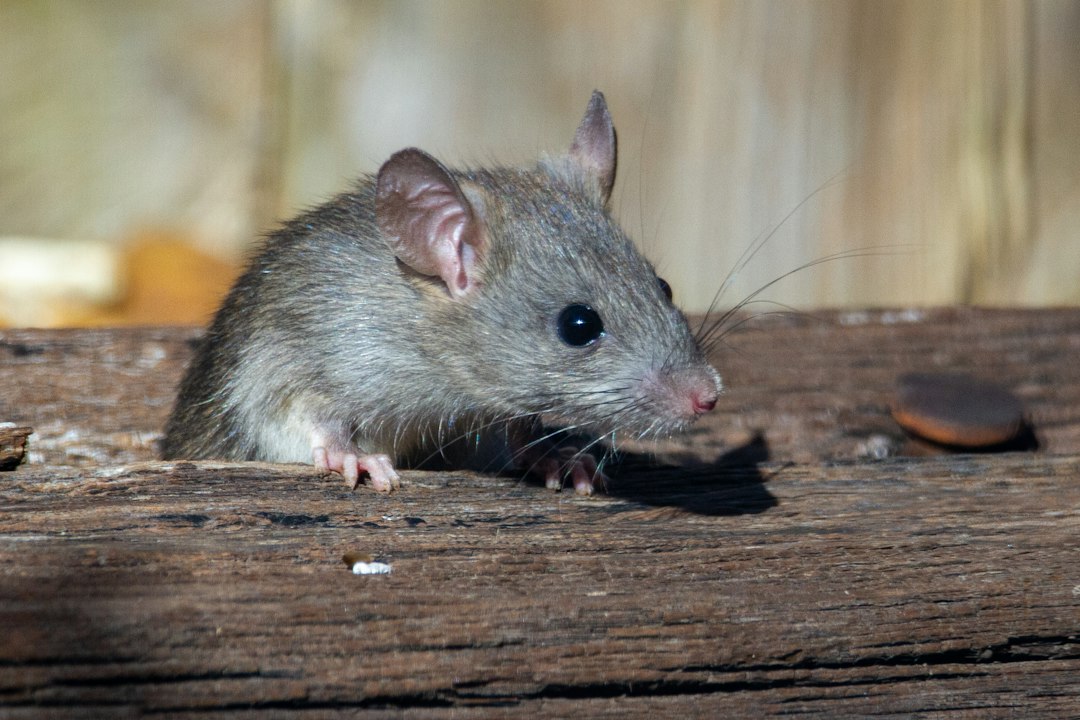
Quick answer: Look for physical evidence in protected areas and remove access, food and water sources. Confirm the pest before applying a treatment, and use CDC-safe practices around suspected rodent contamination.
1. Droppings in cabinets, drawers or behind appliances
Small dark pellets around food storage, under a sink or behind a refrigerator are a common clue of rodent activity. The size and shape may help a trained professional distinguish likely species, but droppings alone do not reliably reveal how many animals are present.
What to do: Keep children and pets away from the area, take a photo if safe and avoid touching droppings with bare hands. Do not sweep or vacuum them dry. CDC cleanup guidance advises ventilating the space as directed, using gloves and wetting contaminated material with an appropriate disinfectant before wiping it up. Fresh deposits after safe cleaning suggest continuing activity.
2. Scratching, scurrying or gnawing sounds after dark
Noise in a wall, ceiling or attic may become noticeable when the house is quiet. Rodents are one possible source, but ducts, pipes, other wildlife and ordinary building movement can make similar noises. Sound alone is not enough to identify a mouse or rat.
What to do: Note the time, location and frequency, and look for independent evidence such as droppings or gnaw marks near accessible edges. Avoid cutting into a wall or closing potential access routes without identifying the occupant. A rodent inspection and control assessment can help distinguish likely activity from unrelated sounds.
3. Chew marks on food packaging, wood or plastic
Rodents gnaw to reach food, enlarge access routes and maintain their teeth. Torn pantry packages, repeated damage along baseboards or fresh-looking chew marks around stored materials are relevant signs, particularly if combined with droppings.
What to do: Discard food that may have been contaminated according to applicable food-safety guidance and transfer unaffected dry goods to sturdy sealed containers. Photograph suspicious damage and check for gaps along nearby walls. Electrical cable damage is a special concern; do not handle exposed wiring, and arrange a qualified electrician's evaluation where chewing may affect electrical safety.
4. Shredded paper, fabric or insulation in sheltered corners
A loose pile of soft material behind a storage box may be ordinary clutter, but shredded paper or insulation gathered into a sheltered cavity can indicate nesting. Rodents may build nests in cabinets, garages, attics and other low-traffic spaces close to food or warmth.
What to do: Do not pull apart a suspected contaminated nest or shake out bedding. The CDC advises careful disinfection and disposal procedures for rodent nesting materials, with extra precautions for heavy infestations. Photograph the location and arrange assistance if the nest is in insulation, ductwork or another area you cannot clean safely.
5. Greasy travel marks along walls or entry points
Rodents tend to move along protected edges, and repeated passage can leave smudges in some circumstances. A dark streak by a floor line or opening, however, might also be ordinary dust, household staining or contact from stored objects. It is more useful when found near another credible sign of rodent activity.
What to do: Note whether a suspected route connects food storage, water and an opening into the building. Check access points from a safe location, but do not dismantle utilities or seal an occupied opening prematurely. A pest technician can determine whether exclusion, trapping or other measures are appropriate.
6. Stale or unexplained odors in enclosed spaces
A persistent unusual smell beneath a cabinet, in an attic or behind an appliance may come from waste, nesting activity or an animal that has died out of view. Odor is nonspecific; plumbing leaks, mold and other household problems can smell similar.
What to do: Look for accompanying evidence instead of assuming the cause. If the smell is strong, worsening or associated with significant contamination, avoid disturbing materials and request professional help. Routine air freshener use is not a substitute for locating and remediating the source.
7. A pet repeatedly fixating on one wall or cabinet
Dogs and cats sometimes react to movements or sounds people do not notice, but pet behavior alone cannot establish an infestation. A pet watching the same kitchen toe-kick or listening intently at a wall might be reacting to a rodent—or to something harmless.
What to do: Use the behavior as a prompt to inspect for objective signs at that location. Keep pets away from contaminated material and from traps or baits. If several signs cluster around the same area, schedule a rodent-control evaluation rather than relying on a pet to identify the species or locate the entry route.
What should you do first if you suspect rodents?
Document the locations and dates of suspected signs. Keep food and garbage sealed, reduce clutter, and check visible exterior access points. The CDC recommends identifying and sealing entry routes along with safe trapping and cleanup practices. Keep all traps and bait away from children and pets, follow instructions, and seek help if activity continues or contamination is extensive.
Is it safe to vacuum rodent droppings?
No—not when they are dry. The CDC warns that sweeping or vacuuming dry rodent droppings or nesting material can send contaminated particles into the air. Follow its current rodent cleanup instructions, including wet disinfection and appropriate protective steps. Larger infestations require additional precautions.
When should you call a pest professional?
Call when signs recur after cleaning, when entry points are difficult to reach, when you hear activity in concealed spaces or when you suspect significant contamination or gnawed wiring. Request an assessment from Nuclear Pest Control to discuss identification, monitoring, exclusion and suitable treatment. You can also review the related fall pest entry-point checklist.
Sources
EPA: early signs of rodent infestation; CDC: wild rodent prevention and identification; CDC: safe rodent cleanup.

Leave a Reply