
Rodent droppings need careful handling even when you have not seen a mouse or rat. Hantaviruses are one reason to avoid stirring up contaminated material. This guide separates a property pest concern from a medical question and links to CDC instructions.
At Nuclear Pest Control, we often remind customers that rodent control is not just about nuisance prevention; it is also about protecting your health.
What Is Hantavirus?
Hantavirus is a virus carried primarily by certain species of rodents, especially deer mice in the United States. Humans can contract the virus through contact with infected rodent urine, droppings, or saliva. It can also become airborne when contaminated materials are stirred up during cleaning or sweeping.
Once contracted, hantavirus can lead to Hantavirus Pulmonary Syndrome (HPS), a severe respiratory disease that can become life-threatening if not treated quickly.
How People Are Exposed
Most cases of hantavirus occur in rural or semi-rural areas where rodents are more likely to enter homes, cabins, sheds, or garages. Common exposure risks include:
- Cleaning areas with heavy rodent infestations without proper protection
- Disturbing rodent droppings or nesting materials
- Allowing rodents access to food storage areas
- Long-term infestations in attics, basements, or crawl spaces
Even brief exposure to contaminated dust can pose a risk, which is why safe cleanup practices are critical.
Symptoms to Watch For
Early symptoms of hantavirus can resemble the flu and may include fever, fatigue, muscle aches, dizziness, and chills. As the illness progresses, respiratory symptoms such as coughing and shortness of breath may develop. If you become ill after rodent exposure, contact a healthcare professional and explain the exposure. Seek urgent medical care for difficulty breathing. A pest company cannot diagnose hantavirus from droppings, symptoms or photographs. CDC distinguishes rodent-associated infections from Andes virus, which can spread between people in close contact.
Prevention Tips for Homeowners
The best protection against hantavirus is preventing rodents from entering your home in the first place. Key prevention steps include:
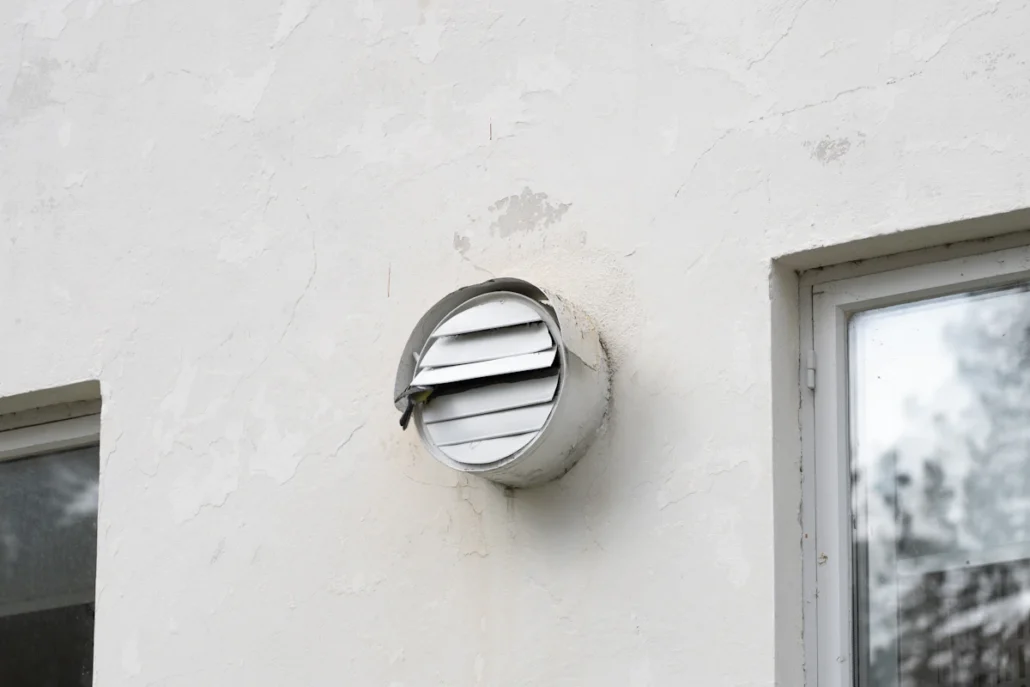
- Sealing cracks, gaps, and entry points around your home
- Storing food in airtight containers
- Keeping garages, basements, and attics clean and clutter-free
- Removing outdoor food sources like pet food and bird seed
- Scheduling regular pest inspections
Do not sweep or vacuum rodent urine, droppings or nesting material before appropriate disinfection. Follow the CDC cleanup instructions; heavy infestations require additional precautions. Ask separately whether your pest-service quote includes contaminated-material cleanup.
Why Professional Pest Control Matters
Rodent infestations are often more widespread than they appear. A pest professional can assess evidence, entry routes and an appropriate rodent-management plan. Rodent control and exclusion can reduce opportunities for exposure, but they do not establish that an area is disinfected or that illness has been prevented.
Protecting your home means protecting your health. If you suspect rodent activity, taking quick action is the safest choice.
For evidence of rodents around a building, review our rodent control service or request a property-specific assessment. For potential exposure to rodent-borne illness, follow public-health guidance.
Authoritative references
For guidance on pest identification, prevention, or health considerations, consult these official sources:
Sources and further guidance
Editorial update: November 9, 2026. See our source and review standards. Treatment instructions and written service terms are specific to your property.


Leave a Reply