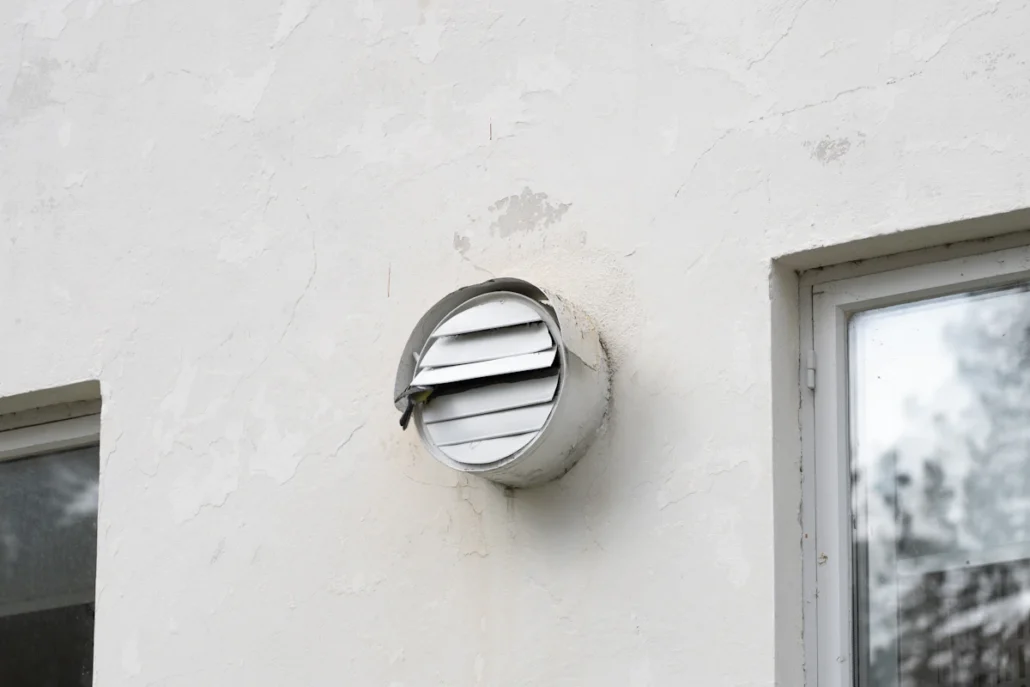
A useful rodent exclusion report connects each suspected entry area with evidence, a proposed response and a clear work scope. Ask which locations were assessed, what remains inaccessible, who will complete each task and how follow-up will be handled. An entry-point photograph should help you make a decision; it should not stand in for the whole assessment.
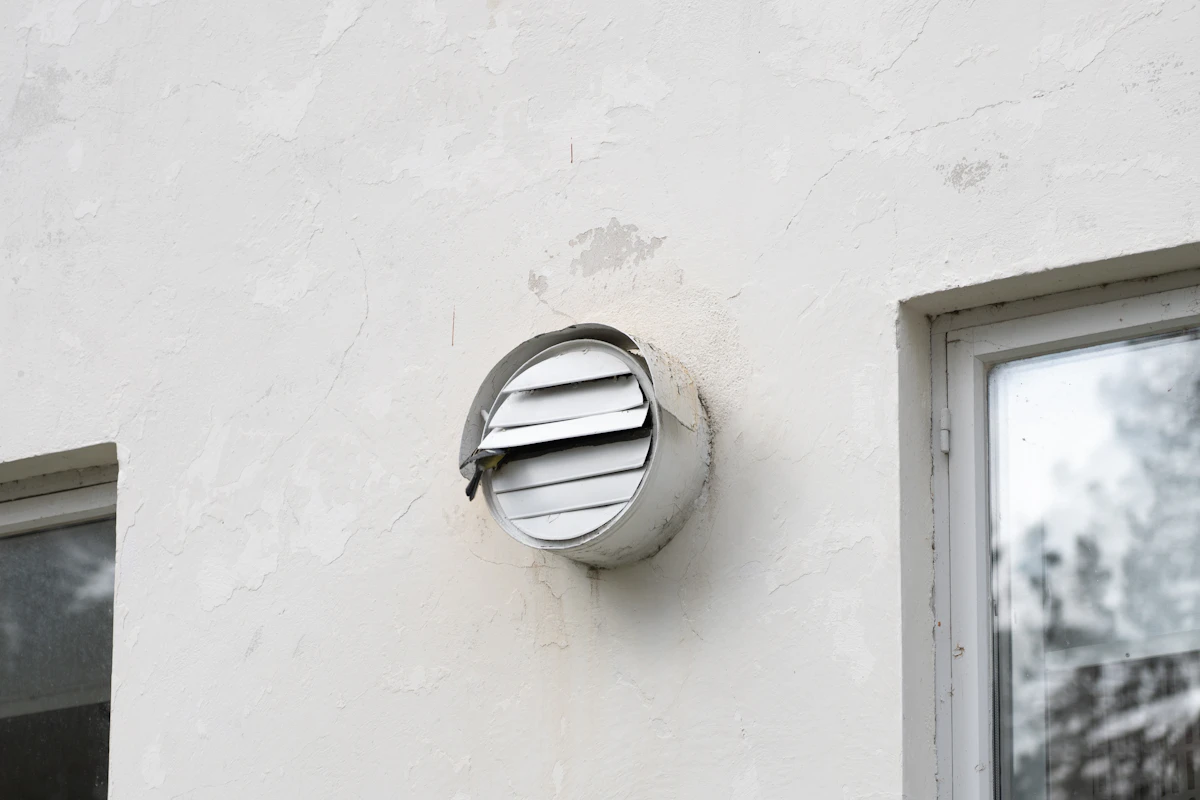
Exclusion means limiting the routes pests can use to enter. When rodents are already active, entry-point work may need to be coordinated with identification, control and monitoring. A repair list alone does not explain all of those responsibilities.
Begin with identification and the observed activity
Tell the provider where activity was noticed, when it began and what has already been tried. Photos taken safely can help the conversation. Do not handle rodents, nesting material or droppings to collect evidence; ask for appropriate professional guidance.
The assessment should distinguish what was observed from what is suspected. A gap can be a concern without proving that a particular animal used it. Ask how the provider connects the opening, activity and proposed plan, and what further assessment is needed.
Give every location an understandable reference
“Seal outside holes” is difficult to quote, assign or verify. A useful reference tells the owner and contractor where to look without guessing: for example, a building side, door, service penetration or other safely assessed location.
Ask for an overview photograph to establish location and a closer view to explain the condition. The photo record should also state limits. An inaccessible roofline or concealed space cannot be described as fully inspected because a different part of the building was visible.
CDC’s rodent-prevention guidance identifies openings around pipes, doors, vents and other building areas as places to consider. That is background for an assessment, not a conclusion that every opening at your property should be closed.
Connect each finding to a defined task
Use a short action register when reviewing an exclusion proposal:
| Record | Decision it supports |
|---|---|
| Location and photo reference | Which specific area is the recommendation about? |
| Observed condition and uncertainty | What evidence supports the concern, and what remains unknown? |
| Proposed work and limits | What is included, and is another trade needed? |
| Responsible person | Who arranges access and completes the task? |
| Completion and follow-up | What record will show the work and any further monitoring? |
This register makes an assessment easier to use. It does not replace the provider’s report, product instructions or the actual service agreement.
Keep pest work and building repairs distinct
Some recommendations may concern appropriate exclusion materials or door protection; others may involve damaged building components or specialist systems. Ask which tasks Nuclear Pest Control can quote and which require a separate qualified contractor.
Do not block ventilation, drainage, combustion-air paths or service access in an attempt to close every visible gap. Have the relevant professionals explain a suitable correction that preserves the component’s function. Roof access, electrical work and structural repairs need their own competent assessment.
NPC’s pest-proofing and exclusion service is scoped to the property. It does not imply that structural repairs, every inaccessible opening or permanent prevention of every pest is included.
Ask how work and monitoring fit together
Where active rodents are suspected or confirmed, ask the provider to explain the sequence of control, exclusion and follow-up. Confirm responsibilities for occupied areas, pets, access and any devices used. Do not move traps or bait stations or improvise an exclusion method from an online checklist.
Keep a dated record of later observations and send it through the agreed contact route. If work is completed by another contractor, share the completion information with the pest provider so follow-up is based on the actual work performed.
EPA’s integrated pest management guidance explains the role of identification, monitoring and prevention alongside appropriate control methods. Those parts work together; one repaired opening does not establish the outcome for the entire building.
Questions about exclusion assessments
Does the report mean rodents are using every opening shown?
Not necessarily. Ask the provider to distinguish observed activity, possible routes and preventive recommendations.
Does an exclusion quote include cleanup and building repairs?
Only if the written scope says so. Confirm any cleanup, repair, monitoring and follow-up separately, including the responsibilities of other contractors.
Is exclusion always a recurring service?
No universal arrangement applies. NPC lists pest proofing as a one-time option; confirm the actual work, exclusions and any follow-up or ongoing service terms for your property.
Start with the evidence you have
Contact Nuclear Pest Control with your Tennessee address, observed activity and safely taken photos. The team can confirm coverage around Chattanooga and discuss whether rodent control, exclusion assessment or another service is appropriate. An enquiry does not confirm a diagnosis, treatment or booking.