
When outdoor conditions change, a warm building with accessible food and water can become an attractive shelter for rodents and other pests. A pest-free home is not created by spraying every surface. It starts with exclusion—finding openings, reducing attractants, and correcting conditions that let pests survive.
Here are nine areas to inspect around a typical house as fall approaches. For rodent prevention, CDC guidance notes that mice can squeeze through openings as small as roughly a quarter inch. The same gap is not an entry route for every pest, so identification matters before choosing an intervention.
Quick answer: Look for physical evidence in protected areas and remove access, food and water sources. Confirm the pest before applying a treatment, and use CDC-safe practices around suspected rodent contamination.
1. Plumbing gaps beneath sinks and behind appliances
Pipes often pass through cabinets, walls and floors leaving an annular gap around the opening. Those concealed passages can connect to crawl spaces, wall voids and utility areas. Small openings under the kitchen sink or behind the dishwasher may be more important than a crack you can see on an exterior wall.
What to do: Use a flashlight to inspect around accessible water and drain lines, particularly where they enter the structure. Photograph droppings, rub marks or gnawing if present, and keep food in sealed containers. Appropriate exclusion materials depend on the location and fire or plumbing requirements. Avoid sealing around equipment where ventilation or code-required clearances must remain.
2. Worn weatherstripping and daylight beneath exterior doors
Front doors, back doors and patio thresholds can develop gaps as weatherstripping compresses or door sweeps wear. Wind may push leaves and insects toward these openings, while rodents can exploit a sufficiently large gap beneath a door.
What to do: Close the door and look for light at the bottom or sides, then check whether the sweep contacts the threshold evenly. Replace worn seals with correctly fitted products rather than stuffing the gap with loose material. If repeated scratching or droppings appear near the entry, review rodent-control options alongside weatherproofing.
3. Soffits, eaves and the roofline
Separated soffit panels, missing trim and damaged openings near roof returns can lead into attics or wall cavities. Tree branches touching the roof can also provide a convenient route for some animals, although the presence of a branch alone does not prove an infestation.
What to do: Look from the ground for missing screens, displaced soffit material or gnaw marks near corners. Never work from a dangerous ladder position or close an opening if an animal may still be inside. A professional may need to determine the species, locate its active access point and plan exclusion before repairs are completed.
4. Unscreened attic and crawl-space vents
Vents are supposed to move air; they are not supposed to admit wildlife. Torn mesh, loose louvers and broken vent covers leave accessible openings near protected, undisturbed spaces. The wrong fix can create a second problem if it blocks designed airflow.
What to do: Check visible vent covers for damage, nests or evidence of entry. Use suitable, secured pest-resistant screening that preserves ventilation requirements. Do not pack vents with foam or install a cover that traps an animal. If you hear activity in an attic, request an assessment before altering the opening.
5. Cable, electrical and HVAC penetrations
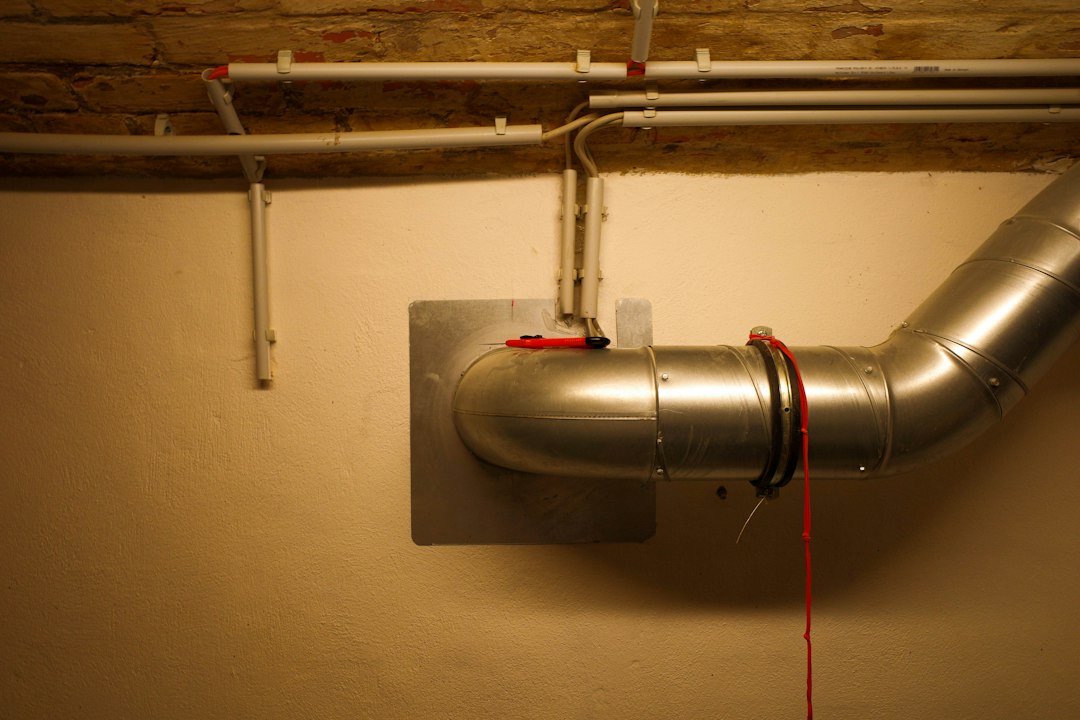
Air-conditioning lines, internet cables, utility conduits and service entries often pass through exterior walls. A missing or deteriorated collar may leave a gap hidden behind trim or equipment. Rodents can follow a wall edge and exploit a small opening without ever crossing an open room.
What to do: Inspect the perimeter around utility entries from a safe location. Avoid tampering with gas, electrical or refrigerant lines and observe required clearances. A tradesperson may need to coordinate safe sealing with a pest professional. The CDC includes utility penetrations among the areas homeowners should inspect for rodent entry.
6. Cracks and joints where siding meets foundations
Material transitions move differently with temperature and moisture changes. Gaps at the bottom of siding, failed sealant near trim and deteriorated foundation joints can create protected routes into wall cavities. These areas may also harbor moisture, which supports some pest populations.
What to do: Look for a continuous boundary, standing water, vegetation touching the wall and fresh gnawing or droppings. Distinguish cosmetic surface cracks from openings into the structure. Repairs should address the building material and water-management issue as well as the pest entry point; broad pesticide application alone will not fix a structural gap.
7. Garage doors, side doors and storage areas
A garage may offer shelter, pet food, cardboard, seed bags and easy entry through an uneven garage-door seal. Once a pest enters, gaps around the interior door and shared utilities may give it another route toward living areas.
What to do: Inspect weatherstripping at door corners and the full width of the garage threshold. Keep feed and stored food in durable sealed containers, reduce clutter along walls and clean up spills promptly. Do not assume that a single trap resolves the entry point or the attractants that allowed activity to begin.
8. Basement windows, screens and window wells
Window wells collect leaves and moisture, creating sheltered spots close to basement framing. Torn screens, deteriorated frames and gaps where a window unit meets masonry can permit insects and sometimes rodents to enter. Damp debris also makes it harder to spot fresh tracks.
What to do: Remove accumulated leaves where it is safe, assess drainage and repair damaged screens or seals. A window well that repeatedly holds water may need drainage correction, not merely insect treatment. If you notice recurring pest activity, general pest management should begin with species identification and the likely source.
9. Dryer outlets and other exterior exhaust openings
Dryer exhausts and other penetrations must maintain their intended airflow. Damaged exterior hoods or stuck-open flaps can become openings, but improperly installed mesh or caps can collect lint and introduce a fire hazard. This is one area where pest exclusion must never compromise equipment safety.
What to do: Check whether the exterior flap is intact and operates as designed. Have damaged dryer hoods repaired with appropriate components, and never add an improvised screen that traps lint. If insects or rodents appear to be using the exhaust route, involve qualified professionals who can address both ventilation and access safely.
What works better than spraying around every opening?
A practical integrated approach combines identifying the pest, closing appropriate entry points, controlling food and water, monitoring whether activity continues and using targeted treatment only when justified. The CDC recommends sealing access, reducing food sources and removing harborage as important rodent-prevention steps. Different pests—ants, rodents, spiders or occasional invaders—require different responses.
Should you seal a hole if you hear an animal inside?
Not before confirming it is safe to do so. Closing an active entry can trap an animal in a wall or attic, potentially making the problem worse. Seek professional help for uncertain wildlife activity or contaminated inaccessible spaces.
Book a pest assessment
If you see droppings, recurring insects or evidence of an active entry route, contact Nuclear Pest Control for a quote and describe the location and evidence. Check service areas before requesting service. A targeted inspection is more informative than treating every gap as the same pest problem.
Sources
CDC: how to seal up to prevent rodents; EPA: identify and prevent rodent infestations.
Leave a Reply