When pests return after a do-it-yourself treatment, it usually means the underlying problem was never fully addressed—not that every product on the shelf is useless. An ant trail, a cockroach sighting and a rodent in the attic call for different approaches. Some situations can be improved by sanitation and sealing; others require identification, monitoring or professional treatment.
The EPA describes integrated pest management as using prevention and targeted control together instead of relying solely on chemical pesticides. These eight recurring mistakes explain why a quick spray often fails to deliver a lasting result in homes around Chattanooga and nearby communities.
1. The pest was never positively identified
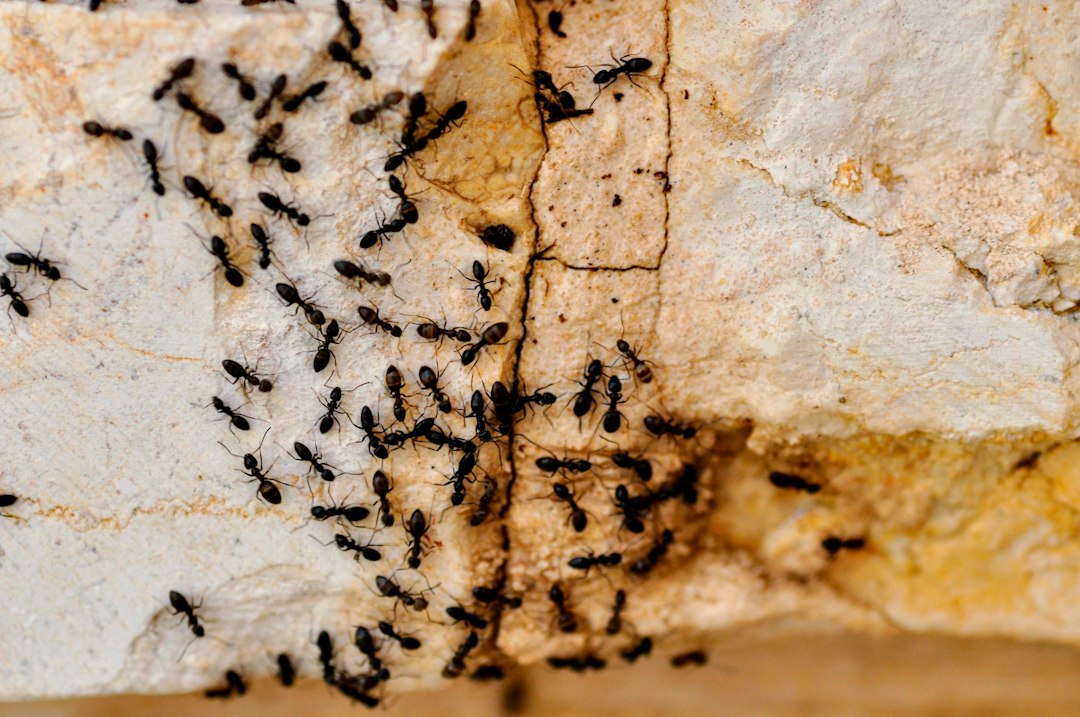
Small ants can have different nesting and feeding habits. Cockroaches may require treatment in narrow harborages rather than broad surface spraying. Pantry moths need a search for infested stored products. When the species is unknown, homeowners may treat a visible trail while missing its actual source.
Start with a clear photo and the location, time and frequency of sightings. Avoid treating all crawling insects as identical. A professional assessment can distinguish nuisance insects from pests that damage property or create a contamination concern. General pest control should be built around the pest identified.
2. Food, crumbs and pet bowls are still available
A few crumbs behind appliances, open pet-food bags or overfilled trash containers can sustain activity even when countertops appear clean. EPA guidance recommends sealing food, removing scraps, keeping trash closed and not leaving pet food and water out overnight.
Look behind stoves, beneath refrigerators, inside garage storage and around pet feeding areas. Deep cleaning helps, but it is only one part of control when pests already have established breeding areas or access routes.
3. A moisture source keeps attracting them
Leaking supply lines, condensation beneath a sink, damp crawl spaces and standing water outdoors create favorable conditions for many pests. In some homes, water is a stronger attractant than food. A treatment may temporarily reduce activity while the moisture remains unchanged.
Investigate plumbing drips, blocked gutters, air-conditioning drainage and poor grading. Correct the water problem before assuming the pesticide has failed. Where termites are a concern, inspect wood-to-soil contact and drainage separately from ordinary household insect activity.
4. Openings under doors or around utilities remain unsealed
A house can have thousands of feet of seams but only a few active entry routes. Gaps around pipes, worn door sweeps, torn screens and openings near soffits or crawl-space vents can allow recurring entry. Reapplying pesticides without addressing those pathways creates an endless cycle.
Use our related fall entry-point guide for an exterior checklist. Seal only appropriate openings, preserve ventilation and equipment clearances, and never trap wildlife inside an occupied void.
5. The product never reached the colony or nesting location
Seeing pests disappear from an exposed surface does not mean a colony behind a wall, beneath the floor or outside the structure has been eliminated. Some treatments also repel pests into new routes rather than resolving the original infestation. This is particularly relevant to ants, certain cockroach problems and rodents using concealed pathways.
Monitoring placement, the target pest and the site of activity matter. Resist applying larger quantities than the label permits. Products vary in their approved uses and should not be mixed or improvised; if activity is widespread or hidden, seek a professional evaluation.
6. Treatment is interrupted or applied at the wrong interval
A single application is not universally sufficient. Insects may have different life stages, activity may be seasonal, and a control plan sometimes needs follow-up monitoring. Conversely, repeating treatment too frequently or using an unapproved location increases exposure without necessarily improving results.
Follow the product label exactly and keep a record of what was used, where and when. Never add extra pesticide as a guess. When working with a provider, ask what evidence will show progress and when the situation should be reassessed.
7. Outdoor harborage is left untouched
Leaf piles against siding, dense vegetation at the foundation, standing water in containers and firewood stacked beside a wall can support pest activity near the house. An indoor treatment is less durable when the exterior environment keeps supplying new arrivals.
Move stored wood away from the structure where practical, trim vegetation that contacts exterior surfaces and eliminate standing water. Different pests favor different outdoor conditions; pest prevention should respond to the actual risk rather than indiscriminately clearing every garden bed.
8. Different problems are being mistaken for one infestation
Homeowners sometimes connect every bug sighting to the same original problem. One bathroom silverfish, outdoor ants near a window and roof-rat noises may be unrelated. Conversely, a recurring issue across several rooms can suggest connected concealed routes or multiple harborage sites.
Track sightings by location and appearance. If symptoms persist, request a new identification and inspection rather than buying another can of the same product. Ask Nuclear Pest Control for an assessment that distinguishes exclusion, sanitation, monitoring and treatment recommendations.
What is the first step when DIY pest control stops working?
Identify the pest, document where it appears, remove accessible food and water, and check for entry routes. Review product labels and any prior application records. A professional can evaluate whether continued treatment, a different approach or structural corrections are warranted. The EPA advises choosing targeted methods and minimizing unnecessary pesticide exposure.
Does seeing fewer pests mean the infestation is gone?
Not necessarily. A visible reduction is encouraging, but the goal is sustained control based on the pest's life cycle, sightings and monitoring findings. For species that create health or property risks, ongoing activity merits investigation even if the number seen declines.
Plan the right response
Explore Nuclear Pest Control's services and request a quote if the same problem is recurring. Share clear photos, previous products used and known entry or moisture issues to help focus the assessment.
Sources
EPA: smart pest control and integrated methods; EPA: prevention before pesticide use.
Leave a Reply