Do not book a bed bug treatment solely because you have bites or found an unfamiliar insect. Record what you can safely observe and ask for identification and an appropriate inspection plan. A clear photograph and location history can make the first conversation more useful.
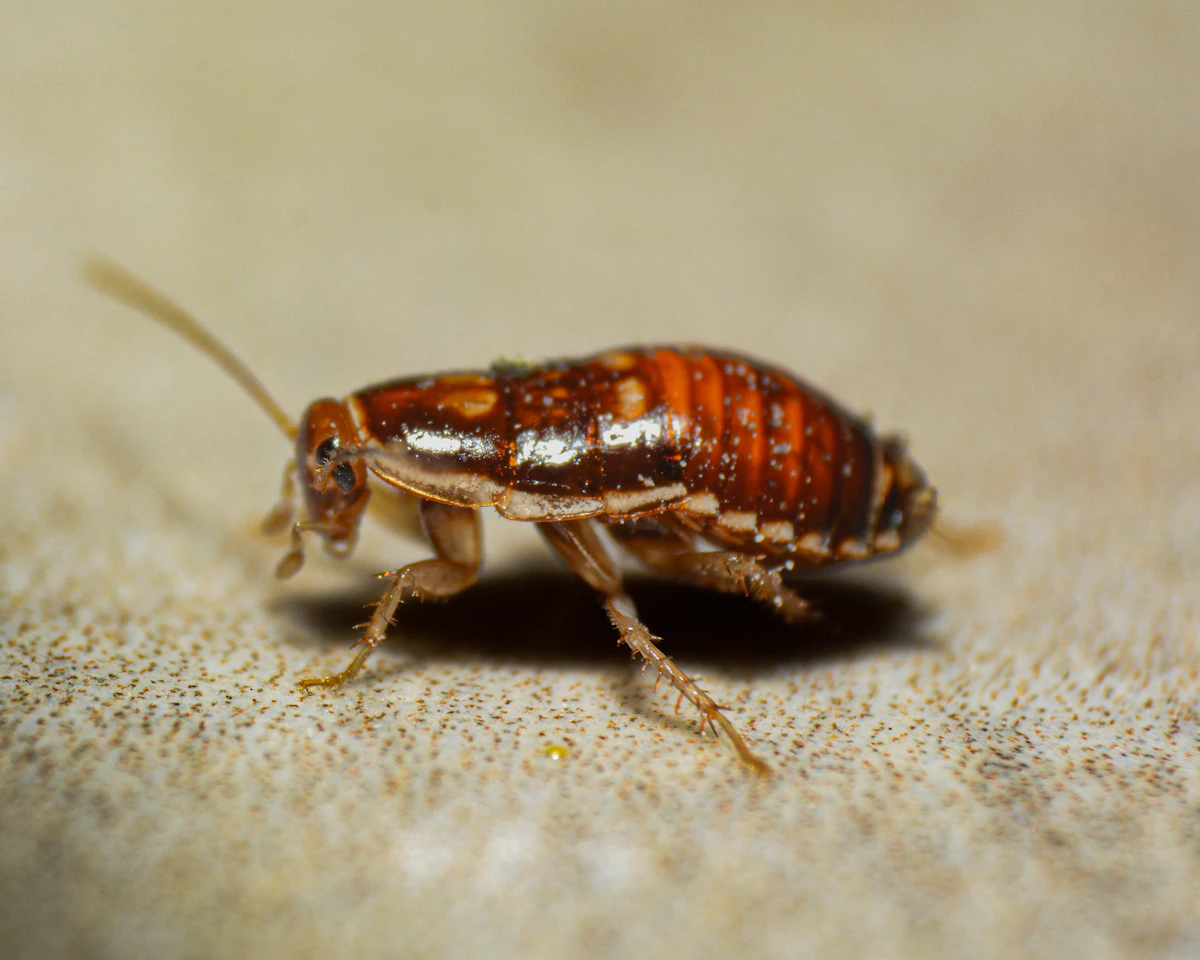
Illustrative macro photograph. A photograph or bite mark alone is not a diagnosis of a property infestation. Photo: matheus ferreira / Unsplash.
For Chattanooga homeowners, tenants and property managers, the aim is to establish what is happening before deciding which service fits. Bed bugs are a property problem to address, not a reason to blame the person who found them.
Bites do not identify the pest
EPA explains that bite marks are a poor indicator of a bed bug infestation. Other insects and skin conditions can look similar, and some people show no reaction to bed bug bites.
A pest company can discuss evidence and inspection. It cannot diagnose a skin condition from a description or photograph. Take health questions to an appropriate health professional rather than treating an assumed pest as the medical answer.
Photograph the evidence you actually found
If you can do so safely, take a clear photograph of the suspected insect and a wider image showing where it appeared. Record the room, date and surface. A picture in context can be more useful than a cropped, blurry image with no location.
- An insect on bedding, furniture or another surface.
- Dark or rusty marks, photographed in place.
- Any visible shed skins or other material you want identified.
- Whether the observation occurred once or repeatedly.
- Which rooms or pieces of furniture are involved.
Do not dismantle electrical equipment or reach into unsafe spaces to obtain a photograph. Ask the pest professional how to preserve any sample they need.
Keep a sighting log without turning it into a diagnosis
Use simple entries: “small brown insect on the mattress seam, Tuesday evening” is an observation. “The whole house is infested” is a conclusion that may not yet be supported.
EPA identifies live insects, certain stains, eggs and shed material as possible signs to investigate. It also notes that other insects, including carpet beetles, can be mistaken for bed bugs. No single vague mark establishes the pest or the extent of a problem.
Avoid actions that make the assessment harder
Before applying products, moving potentially affected furniture or discarding belongings, ask the professional what to do next. Tell them about any pesticide, cleaner or other treatment already used, including the product and approximate date.
Do not attempt to create a whole-room heat treatment with household heaters. If professional heat treatment is proposed, obtain the company’s specific preparation and safety instructions. Nuclear’s bed bug service page describes its heat-treatment service; the property and confirmed findings still determine the proposed work.
Bring the right questions to the service discussion
Ask how the pest will be identified, which areas need assessment, how the treatment scope is decided and what follow-up is included. Explain whether you own, rent or manage the property so access and authorization can be clarified.
Request written preparation instructions for the actual method, including arrangements for people, pets and belongings. A generic online checklist should not replace the instructions for the selected service.
Suspected-bed-bug FAQs
Can I identify bed bugs from bites alone?
No. Bite appearance cannot reliably identify bed bugs. Physical evidence and an appropriate assessment are more useful.
Does a small brown insect automatically mean bed bugs?
No. Look-alikes exist. Photograph it and ask for identification before choosing a treatment.
Does finding one tell me which rooms need treatment?
No. Share where it was found and ask how the professional will assess the affected areas.
Send observations, then choose the next step
Ask Nuclear Pest Control about a suspected bed bug problem. Include your town or ZIP code, affected rooms, what you observed and any previous treatment. The team can confirm coverage and discuss the assessment and service scope. An enquiry does not confirm a diagnosis, treatment plan or appointment.
Life in. Pests out. Start with an informed plan.