Tell your pest-control provider about every pet before treatment is planned. Ask which areas will be treated, what products or methods are proposed, where each animal should stay and what conditions must be met before it returns. The instructions need to fit the actual treatment and product label; there is no single waiting time for every home or pet.
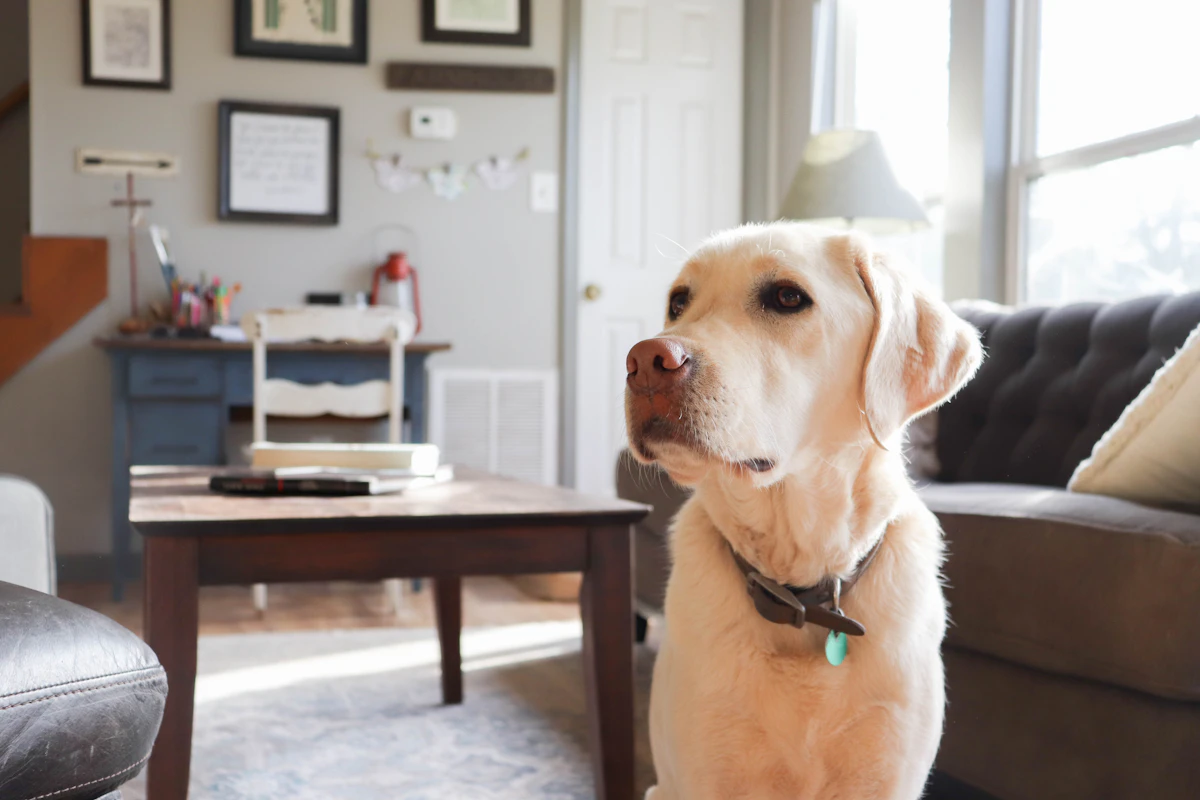
The dog may have a favorite corner, the cat a cupboard nobody else opens, and the fish a tank that cannot simply move next door. Those details belong in the appointment conversation. They are practical planning information, not a reason to leave the pest concern unresolved.
Start with a complete pet picture
List the animals in the home, where they spend time and any areas that must remain accessible to them. Include birds, fish, reptiles and small mammals as well as cats and dogs. Mention tanks, enclosures, outdoor runs and feeding stations.
If an animal has a medical concern or unusual sensitivity, ask your veterinarian what information they need about the proposed treatment. Your pest provider can explain its service and products; veterinary questions belong with the veterinarian.
For homes in Chattanooga and the surrounding Tennessee communities Nuclear Pest Control serves, share the address when enquiring so coverage and service suitability can be confirmed.
Ask about the pest and the plan before the product
Explain what you have seen, where it appears and any previous treatment. A general pest-control plan may include identification, monitoring and improvements to access, food or moisture conditions. Ask which of these are included and which require separate work.
Then ask whether the proposed visit involves pesticides, traps, baits or another method. A description such as “pet-friendly” is not enough to plan the day. You need the specific precautions that apply to your animals and the areas they use.
Get a written preparation and return plan
Request instructions early enough to arrange transport, temporary care or access restrictions where needed. Work through these questions with the provider:
- Which rooms or outdoor areas are included?
- Where should each pet stay during the work?
- Which bowls, toys, bedding, food or enclosures need to be moved or protected?
- What does the product label require before people and pets return?
- Are there additional restrictions on access, cleaning or contact with treated surfaces?
- Who should I call if the actual circumstances differ from the plan?
The National Pesticide Information Center advises removing pets and their belongings from areas being treated and keeping animals away for the label-specified period or until sprayed pesticides have dried completely, whichever is longer. Ask the provider to translate the applicable label directions into a clear plan for your home.
Do not improvise instructions for aquariums, cages or ventilation from a generic checklist. Explain the setup and have the provider confirm appropriate arrangements for the proposed treatment before it starts.
Make responsibility clear on the day
Decide who will secure the pets before the technician arrives and who will authorize their return. Tell everyone with access to the home, including a dog walker or another household member, about the agreed restrictions.
If you cannot carry out the preparation, contact the provider before the visit. A locked room or a note on the door may not provide the separation a particular treatment requires. Ask whether the plan or appointment needs to change.
Keep the service information afterward
Save the service record, product names where used, applicable instructions and contact details. EPA’s pest-control guidance recommends recording the name and EPA registration number of pesticides used by a hired provider.
Keep pets away from traps, bait stations and stored products as directed. Do not move or open a station to inspect it yourself. If you suspect an animal has been exposed to a pesticide, contact a veterinarian promptly and provide the product information; do not wait for a routine pest-service follow-up.
Questions pet owners ask
Does “dry” always mean a pet can return immediately?
No. The label may set a longer restriction or other conditions. Follow the actual instructions and ask the provider if anything is unclear.
Can my dog stay in another room?
That depends on the method, treated areas and required separation. Confirm it beforehand rather than assuming a closed door is sufficient.
Will all the preparation be the same at the next visit?
Check each time. A different target pest, product, treatment area or animal in the home can change the arrangements.
Plan the visit around the household
Contact Nuclear Pest Control with your address, pest concern and pets’ needs. The team can discuss the relevant service, confirm coverage and explain preparation for the proposed work. An enquiry does not confirm treatment, price or availability. Life in. Pests out.