
Moisture is not proof of termites, and termite damage is not always visible where wood looks damp. But water management and termite prevention often overlap. Subterranean termites typically rely on protected routes between soil and wood; conditions such as direct wood-to-soil contact and persistently damp building edges can increase vulnerability.
EPA guidance recommends keeping soil near foundations dry, maintaining gutters and downspouts, fixing leaks and reducing openings. Here are seven practical places to inspect around a home without disturbing suspected termite evidence or entering unsafe crawl spaces.
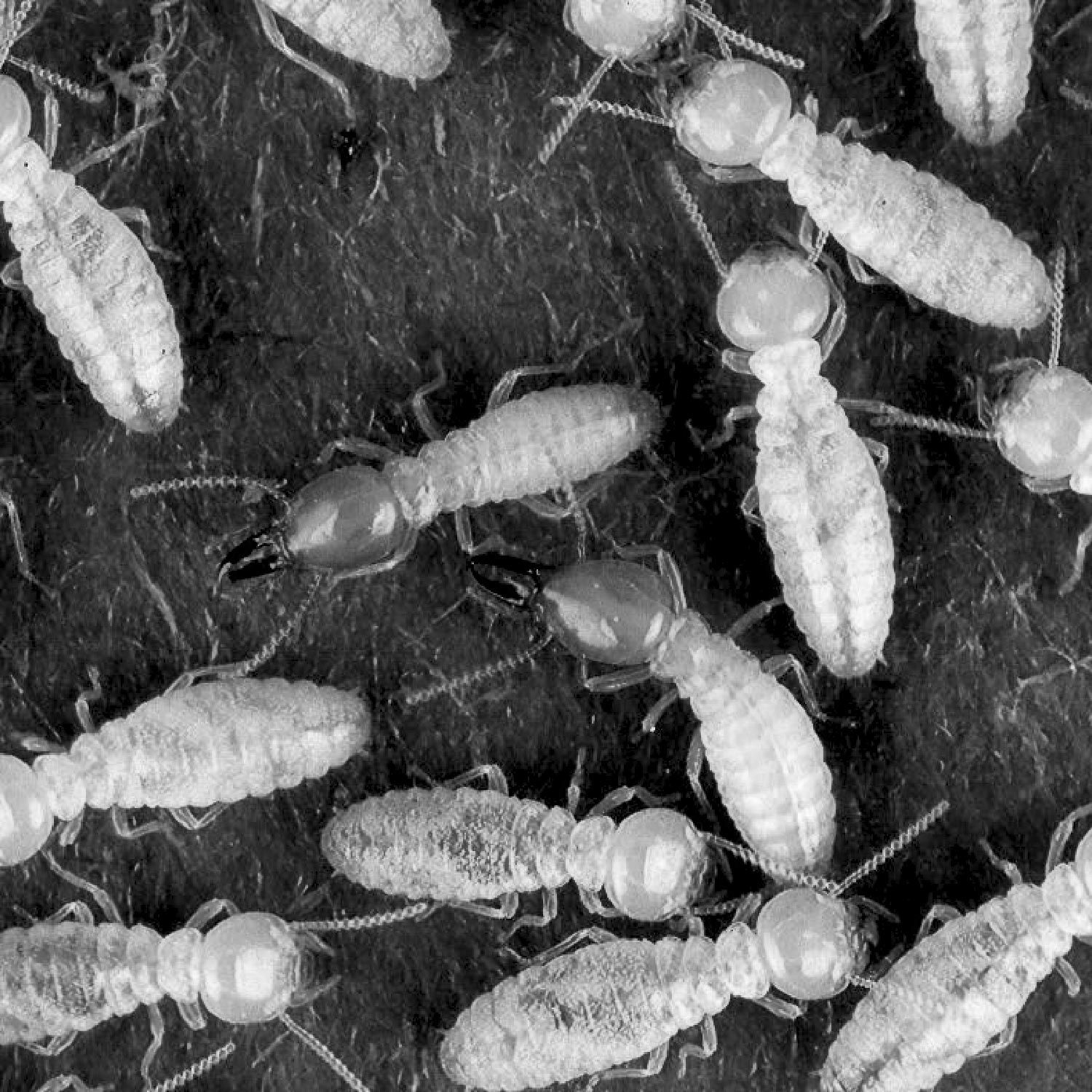
1. Crawl spaces with leaking pipes or damp soil
Leaks below a bathroom or kitchen can keep supporting wood and soil damp for long periods. A poorly managed crawl space may also conceal foundation contact points and access routes. Moisture by itself does not diagnose termite activity, but it should trigger investigation of both plumbing and wood condition.
Do not enter a confined or unsafe crawl space. Ask whether plumbing leaks have been repaired and whether moisture controls are functioning. A pest professional can inspect accessible structural elements for mud tubes, damaged wood and other species-specific evidence.
2. Foundation edges where gutters overflow
Downspouts that dump water beside the house and clogged gutters can repeatedly soak the foundation perimeter. EPA specifically identifies proper grading and maintained drainage as termite-prevention measures. A dry perimeter does not guarantee protection, but it removes one favorable condition.
During rain, observe where water collects and whether it flows behind gutters. Correct drainage rather than simply spraying the wet area. Ask a qualified provider to assess any suspicious tubes or damaged wood near the foundation.
3. Deck posts, steps and porch framing in contact with soil
Wood that touches the ground can create a concealed pathway for subterranean termites, particularly when contact areas stay damp. Even treated lumber is not a substitute for proper design and periodic inspection; treatments and exposure conditions vary.
Look for wood-to-earth contact, decayed surfaces and mud-like galleries on accessible foundations. Avoid breaking suspect tubes just to check whether insects are present; documenting undisturbed evidence helps identification. A deck's structural integrity may also need a separate contractor or engineer review.
4. Leaking exterior faucets and utility penetrations
A dripping hose bib can keep siding, framing or nearby soil damp. Pipe and cable penetrations may also leave small gaps through the building envelope. These conditions can combine moisture with protected access, though not every opening is used by termites.
Fix the leak and repair gaps with appropriate building materials that respect utility clearances. Inspect nearby sill plates and accessible framing. Where suspected termite evidence exists, request an identification rather than assuming a sealant bead will eliminate the colony.
5. Wood piles, landscape timbers and mulch near the house
Firewood stacked against siding and decaying landscape timbers near foundations put cellulose-rich material close to the structure. EPA advises against storing wood debris and firewood beside the home. Mulch itself is not a reliable termite diagnosis, but thick, wet layers that hide the foundation make inspection more difficult.
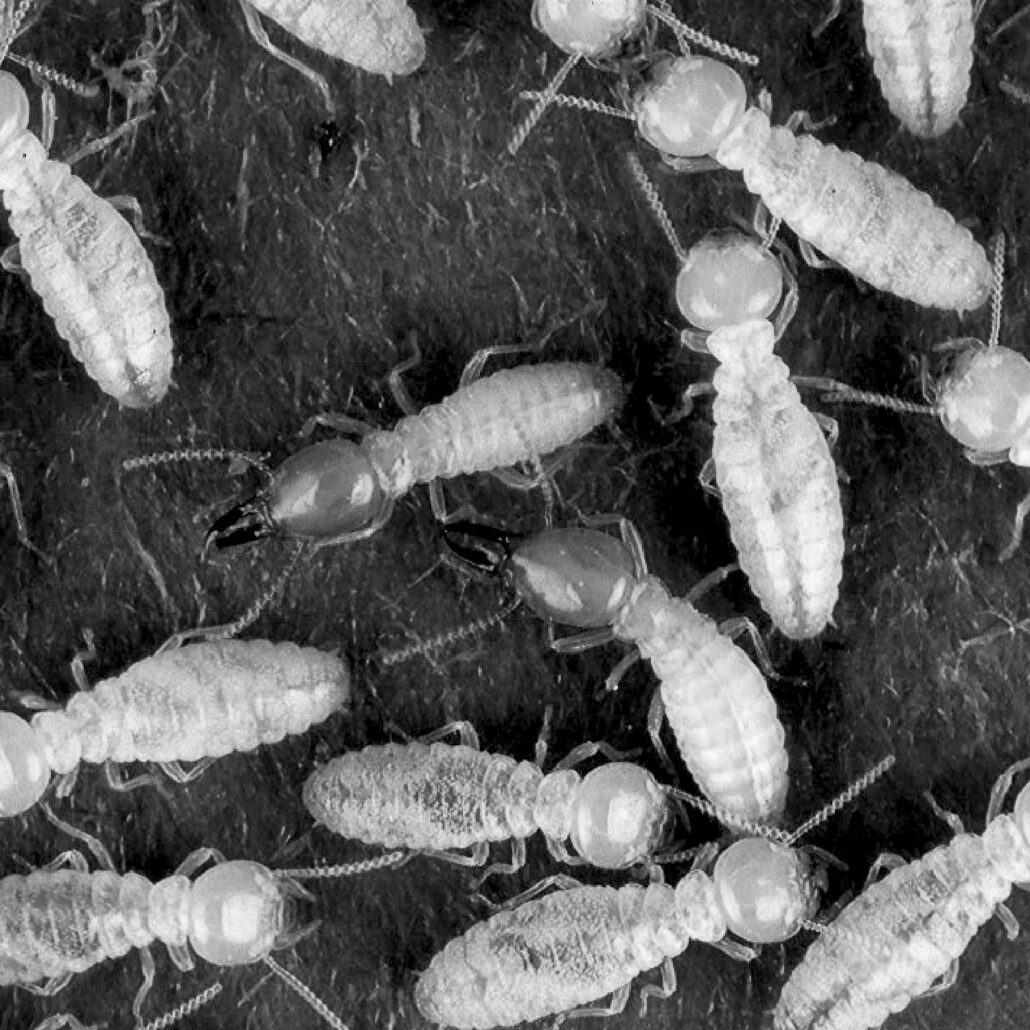
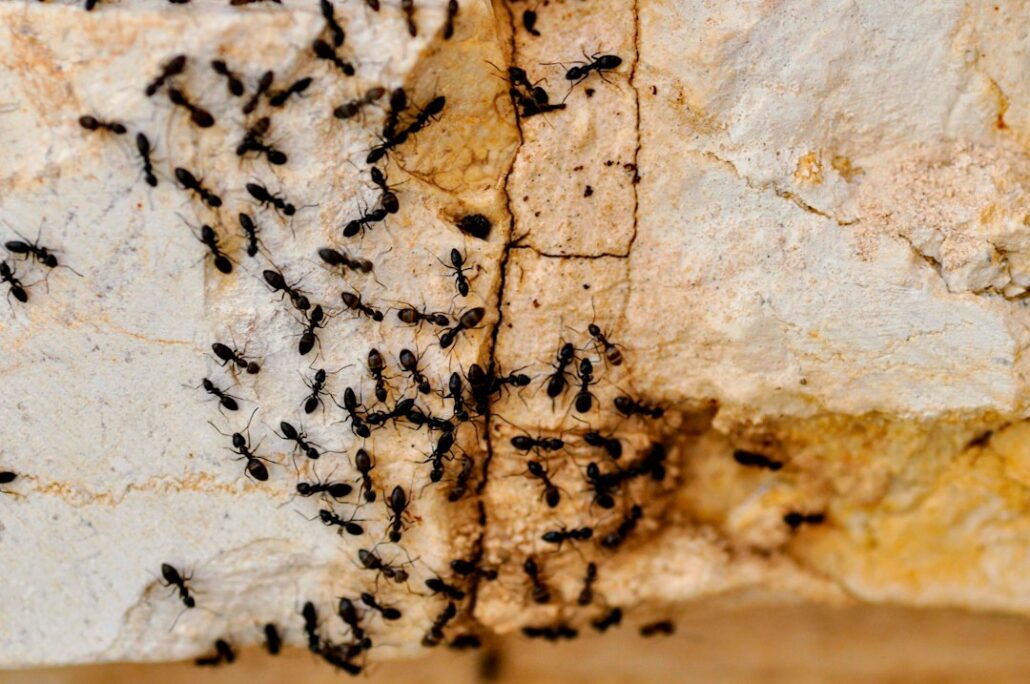
Keep the foundation edge visible where practical, move stored wood away, and check landscaping for water accumulation. If you see termite-looking insects, collect a photo rather than guessing from wood damage alone; ants and other insects are frequently confused with termites.
6. Bathrooms, laundry rooms and kitchens with persistent leaks
Concealed plumbing leaks can weaken timber or subflooring and create a damp environment that merits investigation. Termites are not the only possible cause of hollow-sounding or damaged wood, however: fungi, other wood-boring insects and ordinary deterioration can produce similar symptoms.
Address moisture promptly. An inspection should identify the source of water and, separately, whether there is actual evidence of a wood-destroying organism. Do not rely on a cosmetic patch to resolve a plumbing and pest concern at once.
7. Roof leaks that wet wall framing and sill plates
Water that enters at a roof penetration can move down a wall cavity and eventually affect framing near lower floors. This does not mean termites necessarily followed that route, but concealed damp wood deserves follow-up when staining or softening is evident.
Repair the roof leak, investigate the extent of wet materials and ask about termite inspection when evidence suggests activity. Termite protection services should be paired with correcting the building moisture problem—neither substitutes for the other.
Does fixing moisture eliminate an existing termite colony?
No. Better drainage and leak repairs help reduce risk but are not sufficient treatment for an established infestation. A qualified professional must identify the termite species, determine the extent of activity and recommend an appropriate control strategy. EPA describes physical and chemical approaches, each with limitations and requirements.
What are signs of termites versus ordinary wood rot?
Possible termite clues include mud tubes, discarded wings and wood damaged along galleries. Rot typically involves fungal deterioration associated with moisture. Visual symptoms can overlap, so avoid labeling a specific cause from one photograph. See Nuclear Pest Control's termite protection information and discuss a site inspection.
Ask for the right assessment
If wood is soft, drainage is poor or you suspect termite activity, request a pest inspection or quote and explain where the concern occurs. For property transactions, ask about termite documentation and what the issued document actually covers.
Sources
EPA: identifying, preventing and controlling termites; EPA: integrated pest management.
Leave a Reply