As temperatures rise across Southeast Tennessee, tick activity ramps up right alongside it. Whether you are hiking local trails, spending time in your backyard, or taking your dog on a walk, understanding the most common tick species in the area can help protect your family and pets from tick-borne illnesses.
At Nuclear Pest Control, we believe prevention starts with awareness. Here is what homeowners in Southeast Tennessee should know about tick season and the three most common tick species found in our region.
Why Tick Activity Increases in Tennessee
Ticks thrive in warm, humid environments, making Tennessee an ideal habitat during spring and summer. They are commonly found in wooded areas, tall grass, leaf litter, and even residential yards with overgrown vegetation.
Peak tick season typically begins in April and can continue through October depending on weather conditions. During this time, ticks actively search for hosts, including humans and pets.
American Dog Tick
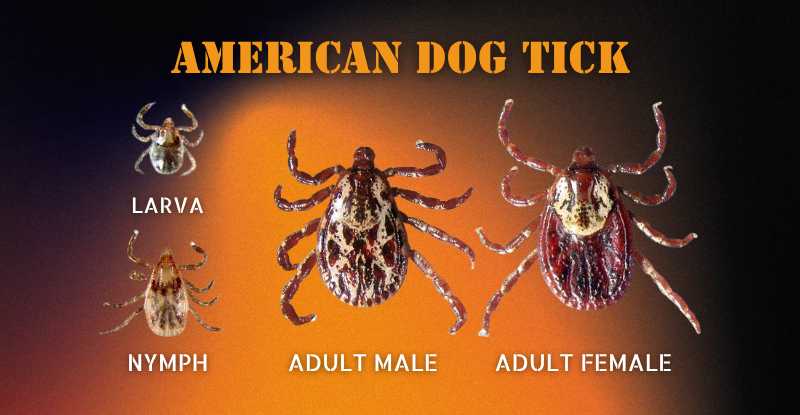
The American Dog Tick is the most frequently encountered tick species in Southeast Tennessee. These ticks are most active from April through June and are often found in grassy fields, trails, and residential yards.
They can transmit diseases such as Rocky Mountain Spotted Fever, Tularemia, and possibly ehrlichiosis. While adult ticks are easier to spot, the smaller nymph stage can often go unnoticed.
Lone Star Tick
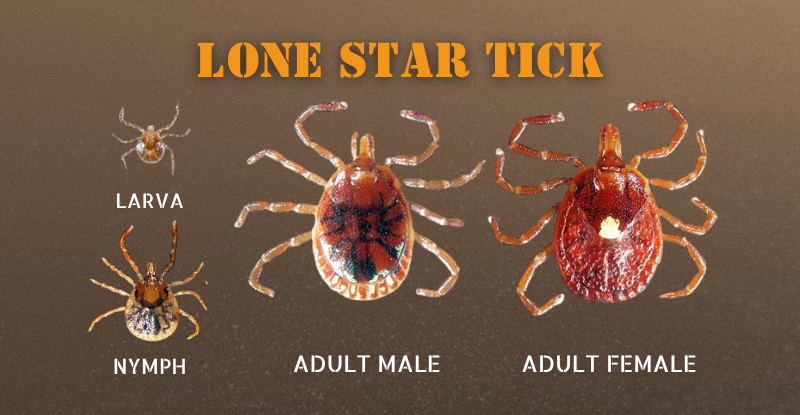
The Lone Star Tick is extremely common across Tennessee and is known for its aggressive biting behavior. The nymph stage is the most likely to attach to humans, which makes this species particularly concerning during outdoor activities.
This tick has been linked to Alpha-gal Syndrome, a condition that can trigger allergic reactions to red meat after a tick bite. It can also spread Lyme Disease, Rocky Mountain Spotted Fever, Tularemia, and ehrlichiosis.
Lone Star Ticks are most active from April through late July and are commonly found in wooded and brushy areas.
Blacklegged Tick (Deer Tick)
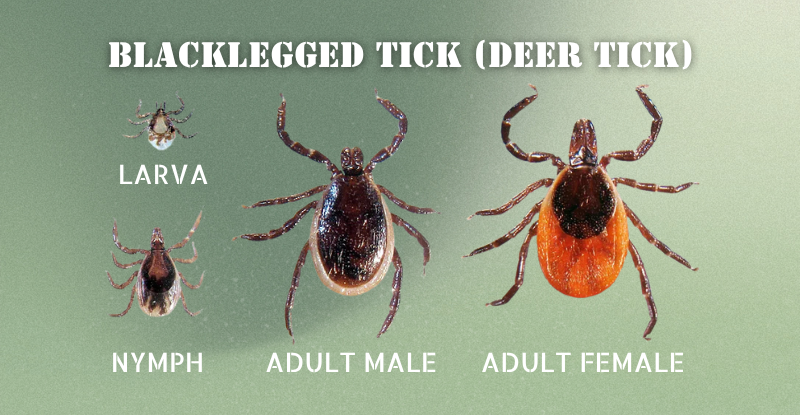
The Blacklegged Tick, also known as the Deer Tick, is commonly found in wooded areas around hiking trails and forest edges. All active life stages can feed on humans, making this species a major concern for outdoor enthusiasts.
These ticks are most active from April through October and are known carriers of Lyme Disease and possibly ehrlichiosis. Because of their small size, especially during the larval and nymph stages, they can be difficult to detect before biting.
How To Protect Your Family From Ticks
Reducing tick exposure starts with a few simple prevention strategies:
- Keep grass trimmed and remove leaf litter from your yard
- Wear long sleeves and pants when hiking or working outdoors
- Use EPA-approved tick repellents
- Check yourself, children, and pets for ticks after spending time outside
- Wash outdoor clothing in hot water after returning indoors
Professional pest control treatments can also significantly reduce tick populations around your home and outdoor living spaces.
Protect Your Property With Nuclear Pest Control
Ticks are more than just a nuisance. They can pose serious health risks to your family and pets, but Nuclear Pest Control is here to help you take back your yard! From March through October, our Mosquito, Flea, and Tick Program provides protection that goes beyond your home. Keep your yard comfortable and keep dangerous pests away, give Nuclear Pest Control a call at 423-808-BUGS today!